
Natural Superfoods for Home and Health in 2026
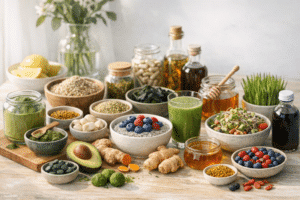
The interest in natural superfoods has grown steadily, and 2026 marks a turning point: more households than ever are turning to nutrient-dense, minimally processed foods as a cornerstone of daily health routines. Rather than relying solely on synthetic supplements, many people are rediscovering what nature has long provided — from ancient grains and medicinal honeys to adaptogenic roots and fermented staples. Natural superfoods are not a passing trend. They represent a fundamental shift in how health-conscious individuals approach nutrition, immunity, and well-being at home. This article explores the most relevant natural superfoods of 2026, the challenges people face when integrating them into daily life, and practical strategies for making them a sustainable part of any household. Whether someone is new to the concept or looking to refine an existing routine, understanding which foods offer genuine benefits — and how to use them effectively — makes all the difference.
What Makes a Food a „Superfood“ in 2026
The term „superfood“ is used loosely in popular culture, but in 2026, a clearer picture has emerged among nutrition researchers and health practitioners. A natural superfood is generally understood as a whole food — or minimally processed derivative — that delivers an exceptional concentration of vitamins, minerals, antioxidants, enzymes, or bioactive compounds relative to its caloric content.
What distinguishes genuinely beneficial natural superfoods from marketing hype is scientific backing. Foods like raw honey varieties with verified antibacterial activity, sea vegetables rich in iodine and trace minerals, and fermented foods teeming with live cultures have accumulated substantial research support. The 2026 consumer is more discerning: origin, processing method, and third-party testing matter as much as the food itself.
Another defining characteristic is versatility. The most valued natural superfoods integrate seamlessly into everyday cooking and routines — they are not exotic curiosities but practical staples that can be incorporated into breakfast, beverages, or even skincare.
The Real Challenges of Eating for Health at Home
Despite widespread awareness of natural superfoods, most households still struggle to translate knowledge into consistent habit. Several interconnected challenges explain this gap.
Information Overload and Conflicting Claims
Every year brings a new wave of proclaimed miracle foods, often promoted through social media without rigorous evidence. In 2026, the volume of health content available online has made it harder, not easier, to identify which natural superfoods are worth integrating. Claims about exotic berries or rare plant extracts frequently outpace the science behind them. This creates confusion, and many consumers cycle through trends without building a coherent, evidence-based routine.
Quality and Sourcing Problems
Even when someone identifies a genuinely beneficial food, sourcing a high-quality version can be difficult. Manuka honey, for example, varies enormously in potency depending on origin and processing — only products with independently verified methylglyoxal (MGO) ratings deliver meaningful antibacterial and health-supporting properties. Similarly, turmeric supplements may contain negligible amounts of active curcumin, and „raw“ cacao products often undergo processing that destroys heat-sensitive nutrients. Without transparent labeling and third-party verification, consumers have little certainty about what they are actually consuming.
Consistency and Integration Into Daily Life
A superfood sitting unused in a cabinet provides no benefit. The third major challenge is behavioral: building the kind of daily habits that make natural superfoods a genuine part of home health, rather than an occasional addition. Time pressure, palatability preferences, and the sheer number of new habits required can overwhelm even motivated individuals.
The Most Powerful Natural Superfoods for 2026 — and How to Use Them
Focusing on a curated selection of well-researched natural superfoods makes the process far more manageable. The following categories represent the strongest evidence base and the broadest practical application for home use in 2026.
Medicinal Honeys With Verified Bioactivity
Not all honey is created equal. While conventional honey offers some nutritional value, specific varieties — most notably Manuka honey from New Zealand — have documented antimicrobial, anti-inflammatory, and wound-supporting properties. The key is the MGO rating: higher ratings indicate greater concentrations of methylglyoxal, the compound responsible for Manuka honey’s unique bioactivity. Those seeking genuine health benefits should look specifically for a Manuka-Honig 400 or higher, as this threshold is generally associated with meaningful antibacterial activity in peer-reviewed research.
Practically, medicinal honey can be incorporated into warm (not boiling) teas, used as a natural throat remedy, applied topically to minor skin irritations, or taken by the teaspoon as a daily immune-supporting ritual.
Fermented Foods and Gut-Health Staples
The connection between gut microbiome diversity and overall health — including immune function, mood regulation, and metabolic balance — is one of the most robust findings in nutritional science. Natural superfoods in the fermented category include kefir, traditionally prepared kimchi and sauerkraut, miso, and water kefir. These foods deliver live cultures, short-chain fatty acids, and B vitamins in a bioavailable form that supplements often cannot replicate.
A single daily serving of a traditional fermented food is sufficient to begin supporting microbiome diversity. Rotating between different types — dairy-based and plant-based — introduces a broader range of bacterial strains.
Adaptogenic Roots and Medicinal Mushrooms
Adaptogens are plant-based compounds that support the body’s stress-response systems, helping to regulate cortisol, improve resilience, and support sustained energy without stimulants. In 2026, ashwagandha, rhodiola, and lion’s mane mushroom have moved from niche supplement stores into mainstream home kitchens. Lion’s mane, in particular, has attracted attention for its potential support of cognitive function and nerve health.
These natural superfoods are most effective when used consistently over weeks rather than expected to produce immediate effects. Powdered forms can be added to smoothies, coffee alternatives, or even soups.
Practical Tips for Building a Superfood Routine at Home
Sustainability matters more than intensity. The households that integrate natural superfoods most successfully tend to follow a few consistent principles.
Start with two or three well-sourced, evidence-backed foods rather than attempting to overhaul an entire diet. Anchor new foods to existing habits — adding a teaspoon of medicinal honey to a morning routine that already includes tea, for example, requires almost no additional effort. Prioritize quality over quantity: a small amount of a high-grade, properly sourced superfood delivers more measurable benefit than a large amount of a poorly verified product.
Storage matters too. Many natural superfoods — raw honey, fermented vegetables, adaptogenic powders — lose potency when exposed to heat, light, or moisture. Dark glass containers, cool pantry storage, and attention to production dates all preserve the active compounds that make these foods valuable.
Finally, tracking subjective outcomes over four to six weeks helps clarify which foods are genuinely making a difference. Sleep quality, energy levels, digestive comfort, and frequency of seasonal illness are all reasonable markers to observe when introducing new natural superfoods into a home health routine.
Frequently Asked Questions
What are the most evidence-backed natural superfoods for everyday home use in 2026?
The foods with the strongest current research support include Manuka honey with verified MGO ratings, traditionally fermented foods such as kefir and sauerkraut, turmeric with added black pepper for bioavailability, and adaptogenic mushrooms like lion’s mane. These natural superfoods combine practical usability with a meaningful body of scientific evidence.
How much Manuka honey is recommended per day for health benefits?
Most research-supported protocols suggest one to two teaspoons daily of a product with an MGO rating of at least 400. It is important to take it at moderate temperatures — added to warm, not hot, beverages — to preserve the bioactive compounds. Those with diabetes or honey sensitivities should consult a healthcare provider before regular use.
Are natural superfoods safe to combine with conventional medications?
Most whole-food natural superfoods are safe for general consumption, but some — particularly adaptogens and high-potency botanical extracts — can interact with medications including anticoagulants, thyroid drugs, and immunosuppressants. Anyone managing a chronic condition or taking prescription medication should consult a qualified healthcare professional before adding potent superfoods to their daily routine.